
DBS significantly alleviates movement-related symptoms of Parkinson's Disease (PD), such as tremor, stiffness, and slowness. Research shows an average symptom relief of 50 - 60%. It provides consistent baseline symptom control and may reduce medication-induced side effects like dyskinesias. While non-motor symptoms such as sleep dysfunction may improve, issues like memory loss and anxiety may not respond to DBS. The goal is to enhance quality of life, enabling patients to manage daily activities and, in some cases, return to work.
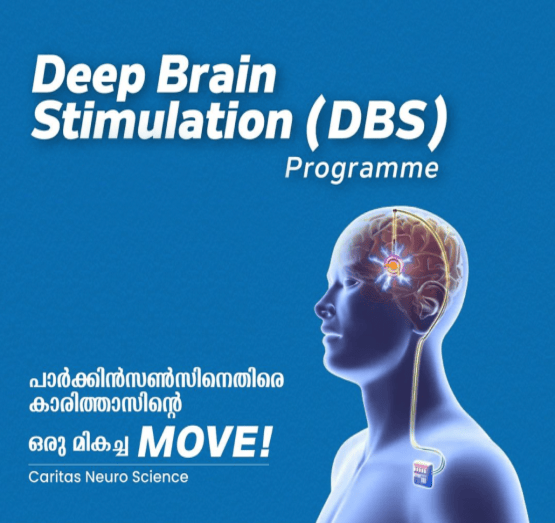
DBS surgery is conducted in two stages. In the first step, a neurosurgeon implants electrodes into the brain while the patient is awake to monitor symptom relief in real-time. In the second step, a pacemaker-like device, the Implantable Pulse Generator (IPG), is placed in the chest under general anesthesia. This device is connected to the brain electrodes via tunneled wires and serves as the control center for symptom management.
The IPG is activated and programmed about 7 days after surgery. A neurologist sets the optimal parameters to manage symptoms effectively with minimal side effects. While initial programming may not yield the best results due to surgery-related factors, fine-tuning over the following weeks ensures maximum therapeutic benefits. Patients can expect a stable and predictable improvement in symptoms.
DBS is a safe neurosurgical procedure, but like any surgery, it carries some risks. Complications may include bleeding inside the brain, with a 1.5% chance of serious cases, and a 2-3% risk of implant infections, which might require removal. These risks are rare and minimized through advanced surgical techniques and expert care.
DBS systems include neurostimulators with service lives ranging from 4 to 15 years, depending on the type. Rechargeable models last longer and require less frequent replacements. When replacement is needed, it's a minor surgical procedure that doesn't involve the brain, ensuring minimal disruption for the patient.
While DBS is widely recognized for managing Parkinson's Disease, it is also effective in treating other movement disorders. These include dystonia and tremor conditions such as Essential Tremor, offering relief and improved quality of life to patients with these conditions.
Conventional DBS delivers continuous electrical stimulation to targeted areas of the brain to control the motor symptoms of Parkinson's disease, such as tremor, stiffness and slowness. Patients with Parkinson's disease from Kerala and across India are evaluated for DBS at Caritas Hospital, Kottayam.
Adaptive DBS (aDBS) is a newer form of DBS in which the stimulation is adjusted automatically in response to signals recorded from the patient's brain, rather than being delivered at a fixed setting. Adaptive DBS is available at Caritas Hospital, Kottayam, for patients found suitable after evaluation.
Caritas Hospital, Kottayam offers DBS surgery to patients from South Kerala, Central Kerala, South India and elsewhere in India, based on individual clinical evaluation. DBS for dystonia and essential tremor is also offered at the hospital.
Looking for botulinum toxin therapy for dystonia, tremor or spasticity? Visit our Botulinum Toxin Therapy page.
DBS is an established procedure, but like any brain surgery it carries some risk. These include bleeding in the brain (about 1 to 2 in 100 patients), infection, problems with the device or wires, and temporary changes in speech, mood or balance. Your neurosurgeon and movement disorder specialist will explain your individual risks before treatment.
Yes. DBS is available at specialised neurological centres in India for patients who are found suitable after evaluation. In Kerala, Caritas Hospital, Kottayam offers movement disorder evaluation, DBS, Adaptive DBS and botulinum toxin therapy through its Comprehensive Movement Disorder and DBS Clinic.

