Nephrology & Renal Transplant

A-V Fistula & Hemodialysis: The Lifeline of Kidney Patients

December 2025
...

Why AV Fistula is the safest and most effective access for dialysis in chronic kidney failure?

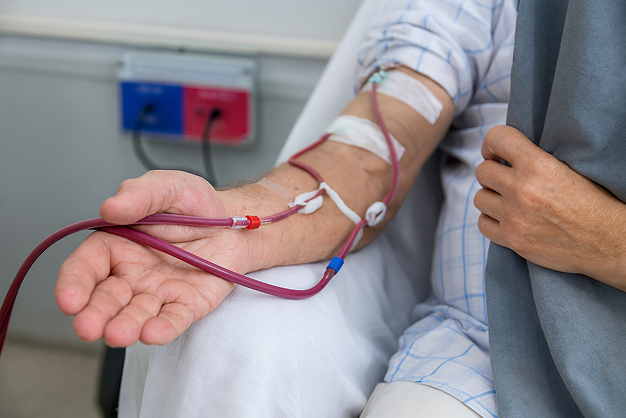
Hemodialysis is a life-saving treatment for patients with end-stage renal disease (ESRD) or chronic kidney failure, where the kidneys can no longer filter waste. During this process, a machine removes excess water, salts, toxins, and acid from the blood. 

For this treatment to work safely, patients need a reliable and strong vascular access. The most preferred option is the A-V Fistula (Arteriovenous Fistula / AVF) — often called the lifeline of dialysis patients. 

What Is an A-V Fistula?

An AV Fistula is a small surgical connection created between an artery and a vein, usually in the forearm or wrist.

This connection increases blood flow, making the vein larger and stronger. Once matured, dialysis needles can be safely inserted into this vein for each session. 

Other Types of Dialysis Access
  1. Catheters – Inserted into major veins of the neck or groin; used when urgent dialysis is required. 
  2. AV Graft – An artificial synthetic tube connecting an artery and a vein; used when veins are unsuitable.
Benefits of A-V Fistula (Compared to Catheters & AV Grafts)

The AV Fistula is considered the gold standard for hemodialysis access because: 

  • No artificial materials are used 
  • Provides excellent and consistent blood flow 
  • Very low risk of infection 
  • Long-lasting — can function for many years with proper care 
  • Fewer complications like clotting, narrowing, or infections
How Is an AV Fistula Created?

A vascular surgeon performs the procedure under local anesthesia. After the surgery, the fistula takes 4 to 8 weeks (sometimes longer) to mature fully. If dialysis is needed during this time, a temporary catheter is placed in the neck vein.

When Should an AV Fistula Be Created?

Patients with chronic kidney disease (CKD) progressing to kidney failure will eventually need dialysis.

Kidney function is assessed using GFR (Glomerular Filtration Rate). 

  • GFR < 30 ml/min – Patient is educated about the need for AV fistula 
  • GFR < 20 ml/min – AV fistula creation is recommended

Because fistula maturation takes 4–8 weeks, it is best to create the AVF 3–6 months before dialysis becomes necessary. If delayed, patients may require a catheter, which carries a higher risk of infection and complications.

How to Take Care of an AV Fistula?

Proper care ensures the AV fistula remains functional for years.

  • Check daily for the “thrill” (vibration) by touching the fistula area; absence requires urgent medical attention 
  • Keep the hand and fistula area clean 
  • Perform fistula exercises like squeezing a ball regularly 
  • Do not sleep on the fistula arm or carry heavy objects with it 
  • Avoid anything that restricts blood flow:
    • No tight watches or bands
    • Do not measure BP on that arm 
    • No IV lines, injections, or blood draws in that arm
When to See a Doctor Immediately
  • Swelling, redness, warmth at the fistula site 
  • Bleeding that doesn’t stop after dialysis 
  • Pain, coldness, or discoloration in the fingers 
  • No vibration (thrill) felt over the fistula
Conclusion

The A-V Fistula is truly the lifeline of hemodialysis patients. With proper care and regular follow-up with nephrologists and dialysis specialists, an AV fistula can provide safe, effective, long-term dialysis access, ensuring better outcomes and improved quality of life for patients with chronic kidney failure.


Read More
A Second Chance at Life: The Marvels of Kidney Transplantation

Nephrology & Renal Transplant

A Second Chance at Life: The Marvels of Kidney Transplantation

November 2023

Hidden Kidney Disease Behind Fairness  Creams

Nephrology & Renal Transplant

Hidden Kidney Disease Behind Fairness Creams

December 2025