
Obstetrics, Gynaecology and Fetal Medicine
The Hormonal Odyssey: Navigating Changes Across a Woman's Lifespan from Puberty to Menopause
May 2026

Obstetrics, Gynaecology and Fetal Medicine
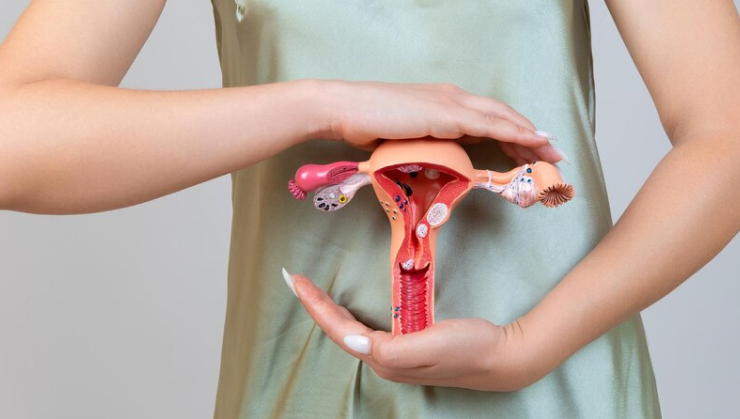
Vaginal health is a crucial aspect of a woman's overall well-being. A healthy vagina helps protect against infections and discomfort, allowing women to lead a fulfilling and comfortable life. In this article, we will explore essential tips for maintaining vaginal health, preventing infections, and avoiding discomfort.
The vagina is a self-cleaning and self-regulating part of a woman's body. However, various factors can disrupt the natural balance, leading to infections, irritation, and discomfort. Maintaining vaginal health is essential for a happy and healthy life.
- Gently clean the external genital area with mild, unscented soap and water.
- Avoid using douches, as they can disrupt the natural balance of the vagina.
- Choose cotton underwear that allows air circulation and helps keep the vaginal area dry.
- Avoid tight-fitting pants and pantyhose, which can trap moisture and heat.
- Use barrier methods like condoms to protect against sexually transmitted infections (STIs).
- Maintain open communication with your partner about sexual health.
- Proper hydration can help maintain healthy mucous membranes, including those in the vaginal area.
- Skip fragranced soaps, douches, and feminine hygiene products. These can irritate the vagina and disrupt its natural balance.
- After swimming or exercising, change out of wet clothing as soon as possible.
- Use a clean, dry towel to gently pat the genital area after bathing.
- Pap smears are essential for cervical health. Schedule regular screenings as recommended by your healthcare provider.
- Consider adding probiotic-rich foods like yogurt to your diet. Probiotics can support healthy vaginal flora.
- If you have diabetes, manage your blood sugar levels. High blood sugar can create an environment conducive to yeast infections.
- Only take antibiotics when prescribed by a healthcare provider. Overuse of antibiotics can disrupt the vaginal microbiome.
- If you experience vaginal dryness during sexual activity, consider using a water-based lubricant to reduce friction and discomfort.
- Schedule regular gynecological check-ups. Your healthcare provider can monitor your vaginal health and address any concerns.
Maintaining vaginal health is essential for overall well-being and quality of life. By following these tips and being mindful of your body, you can reduce the risk of infections and discomfort while promoting a healthy, happy vaginal environment. Remember that any concerns or changes in vaginal health should be discussed with a healthcare provider, who can provide guidance, diagnosis, and treatment when needed.
Obstetrics, Gynaecology and Fetal Medicine
May 2026

Obstetrics, Gynaecology and Fetal Medicine
May 2026

Obstetrics, Gynaecology and Fetal Medicine
May 2026