Paediatrics & Paediatrics Surgery
Sibling Rivalry: Tips for Managing Conflict
May 2026

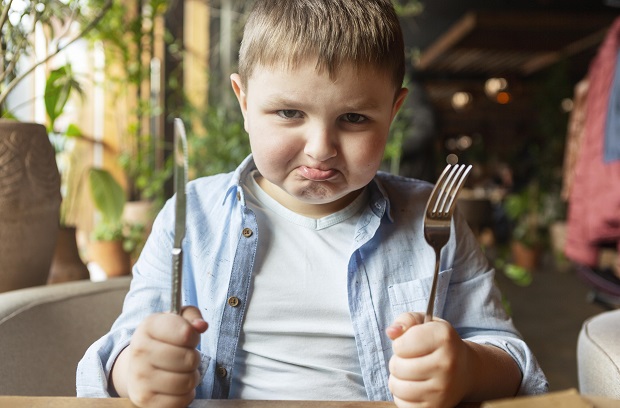
Childhood obesity is a growing global concern with significant health implications. It is essential to understand the causes, effects, and preventive measures associated with this issue to ensure a healthier future for our children. In this article, we will delve into the complex issue of childhood obesity and explore the factors contributing to it, its effects on children's health, and effective prevention strategies.
Part 1: Causes of Childhood Obesity
Part 2: Effects of Childhood Obesity
- Type 2 Diabetes: Obesity increases the risk of developing type 2 diabetes, a chronic and potentially life-threatening condition.
- Cardiovascular Problems: Childhood obesity is linked to heart disease, hypertension, and high cholesterol levels.
- Breathing Problems: Conditions like sleep apnea are more common in obese children.
- Obese children may experience low self-esteem, depression, and anxiety due to body image issues and social stigma.
- Obese children may face discrimination and bullying, which can negatively affect their social interactions and academic performance.
- Childhood obesity often persists into adulthood, increasing the risk of obesity-related health issues in later life.
Part 3: Prevention of Childhood Obesity
- Encourage a balanced diet with plenty of fruits, vegetables, whole grains, lean proteins, and healthy fats.
- Limit sugary drinks and processed snacks.
- Set regular meal times to establish a routine.
- Limit screen time to no more than two hours a day.
- Encourage outdoor play, sports, and other physical activities.
- Be a role model by staying active as a family.
- Create a supportive family environment that emphasizes healthy habits and discourages unhealthy ones.
- Teach children about nutrition, cooking, and the importance of balanced meals.
- Schedule regular visits with a healthcare provider to monitor growth and address any weight concerns.
- Support community efforts to provide access to affordable, healthy foods and safe spaces for physical activity.
- Advocate for school programs that encourage healthy eating and regular exercise.
Childhood obesity is a multifaceted problem with far-reaching consequences, but it is a challenge that can be addressed and prevented. By understanding the causes, recognizing the effects, and taking proactive measures to instill healthy habits, we can work towards ensuring a brighter and healthier future for our children. Preventing childhood obesity is a collective effort that requires involvement at the family, community, and societal levels.

Paediatrics & Paediatrics Surgery
May 2026