Orthopaedics, Joint Replacement and Arthroscopy
The villain is Frozen Shoulder himself ?
May 2026

Orthopaedics, Joint Replacement and Arthroscopy
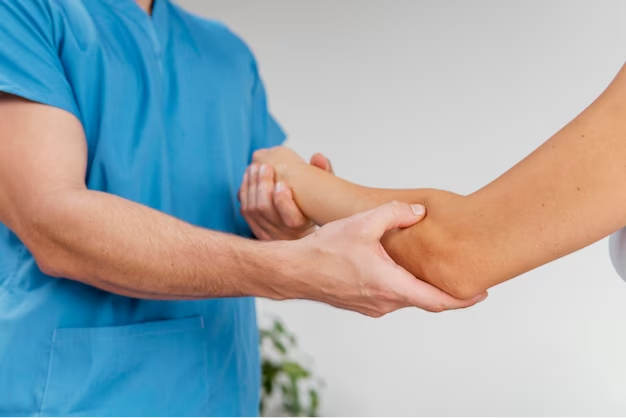
Arthritis is a widespread condition affecting millions of people around the world. It's a group of disorders characterized by inflammation and pain in the joints, often leading to reduced mobility and a diminished quality of life. However, with advancements in orthopedic care, individuals with arthritis have more options than ever for managing joint pain and improving their mobility. In this article, we'll explore the relationship between arthritis and orthopedics, and discuss strategies for effectively managing joint pain and maintaining an active lifestyle.
Understanding Arthritis
rthritis is not a single disease but a term that encompasses over 100 different types of joint-related conditions. The most common types of arthritis include osteoarthritis, rheumatoid arthritis, and psoriatic arthritis. Here's a brief overview of these conditions:
The Role of Orthopedics in Arthritis Management
Orthopedic specialists play a crucial role in diagnosing and treating arthritis, helping patients manage their joint pain and improve their overall mobility. Here are some key aspects of their involvement:
Surgical Interventions for Severe Cases
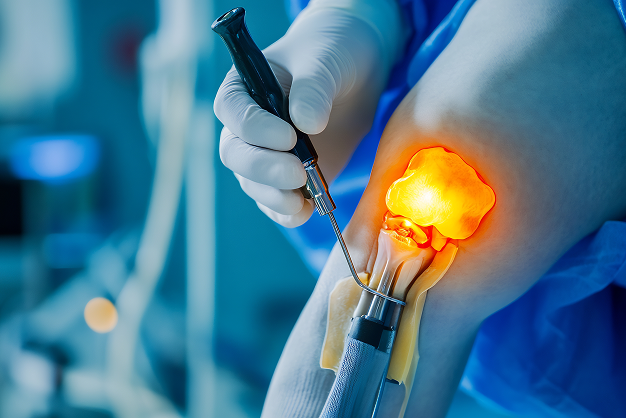
For some individuals with advanced arthritis and significant joint damage, surgical interventions may be necessary. Orthopedic surgeons can perform procedures such as joint replacement surgeries (e.g., hip or knee replacements) to restore joint function and alleviate pain. These surgeries have evolved significantly, with minimally invasive techniques leading to shorter recovery times and improved outcomes.
Pain Management and Ongoing Support
Orthopedic specialists also provide pain management solutions tailored to the individual. This may include injections, joint bracing, and assistive devices, such as canes or walkers, to help maintain mobility and reduce discomfort.
Arthritis is a challenging condition, but with the expertise of orthopedic specialists, individuals can effectively manage joint pain and maintain their mobility. Early diagnosis, a personalized treatment plan, and ongoing support from orthopedic professionals are essential for those living with arthritis. By staying proactive in their care, patients can lead fulfilling lives and enjoy improved joint health and overall well-being.